Which film does a glove bag making machine use most PE PP or Nylon
August 27, 2026
Why do certain gloves break so quickly? And why do others last all day long? With over 8 years working with glove bag making machines I know that the film choice might be the deciding factor.
In this article, I will discuss PE, PP and nylon films used in a glove bag making machine. You'll find out which film is the finest, how they compare, and which machine is ideal for each.
What Is a Glove Bag Making Machine and How Does It Work?
A throwaway plastic glove bag making machine manufactures gloves fast. It takes a roll of film, molds it, seals it, and slices it into glove forms. These devices are utilized in culinary, medicinal and industrial fields. Film is fed through hot sealing bars on a plastic glove bag production machine.
The bars hold the layers in place. Then a blade slices the glove form. Numerous film kinds may be processed by modern servo-controlled bag making machines without human modifications. The film type and thickness influence the final glove quality and seal strength.
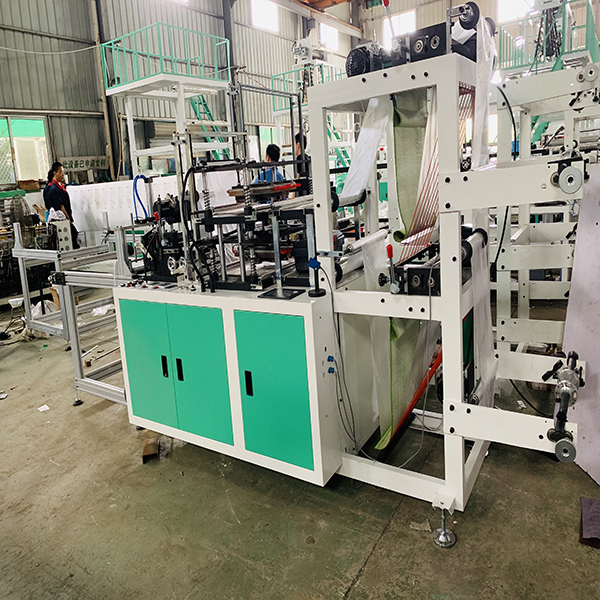
Glove Bag Machine: Key Specs at a Glance
Which Film Type Works Best in a Glove Bag Manufacturing Machine?
What film should you use in your glove bag manufacturing machine ? It is contingent upon your budget, use case and desired strength. Each film responds differently to heat and pressure. You have to set up your computer for the film you have chosen.
Wrong matches mean lousy seals and wasted rolls. The proper option saves you money and downtime. Let's review each choice in a disposable glove bag machine configuration and determine the greatest match for your factory.
PE Film (Polyethylene) - The Most Common Choice
PE film principally LDPE is the most suitable material for plastic bag converting machine for gloves. It's soft, elastic and seals at low heat.
Low sealing temperature saves energy and lowers machine wear
High elasticity - fits any hand size without ripping
Low cost - most economical per kilogram
Available worldwide - simple to locate
PE Film Performance: Properties, Machine Impact & Best Use
PP Film (Polypropylene) - For Stiffer, Clearer Gloves
PP film makes a firmer, clearer glove. Requires extra heat to seal. A servo-controlled bag production machine helps to reduce warping.
Produces a clean, transparent glove ideal for show packing
less strain - excellent for quick jobs
Needs strict temperature control
Food & Light Industrial Use Typical
Nylon Film - High Strength for Heavy-Duty Use
Nylon film is the most durable. Use for heavy-duty gloves. A high speed bag making equipment configuration requires accurate heat.
Best puncture resistance of all three Seals 160-200°C
More expensive but lasts longer
Widely used in the automobile
chemical and food industries
How Do PE, PP, and Nylon Films Compare in an Industrial Bag Making Machine?
Why is film choosing such an important factor in an industrial bag production machine ? Each film has a distinct point of melting. Each of them extends differently. A incorrect match will create poor sealing and ripped gloves.
It may clog the machine up and delay the entire queue down." Time lost is money lost. Knowing the differences can help you set up your equipment appropriately. It helps you reduce waste and increase production on a daily basis.
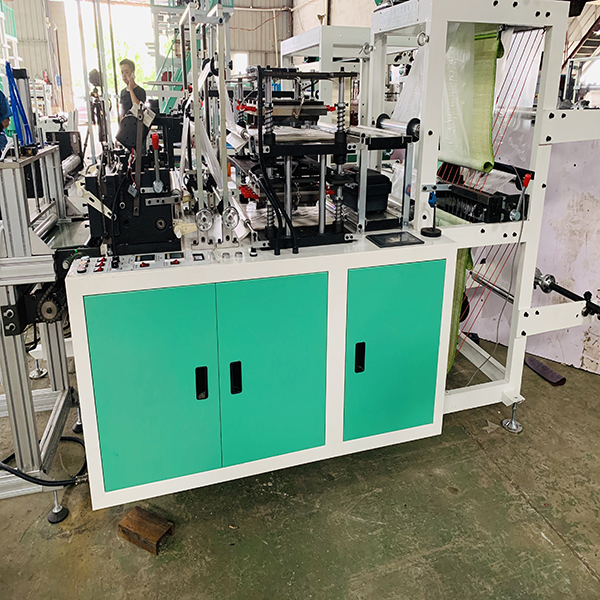
Comparison: PE vs PP vs Nylon in Glove Bag Production
PE is great for speed and affordable price. PP is great when clarity is important. Nylon, excellent for strength. Each film has a different set of machine settings.
Advantages and Disadvantages by Film Type
PE Film
Cheap, simple to seal, cheap to get
Low puncture resistance Not for hard work
PP Film
Clean appearance, food safety, excellent rigidity
may crack in low temperatures, difficult to close up neatly
Nylon Film
Very sturdy, chemical resistant & durable
Expensive, slow machine speed, requires precise heat
Sectors That Use Each Film Type
Food processing - primarily LDPE and PP
Medical and hygiene - PE (CPE) for softness, comfort
Chemical handling – nylon for puncture and barrier protection
Automotive - Nylon and heavy PE for oil and grease applications
Janitorial and cleaning - cheap PE in huge numbers
What Real Production Results Can You Expect From an Automatic Glove Bag Making Machine?
Will the automatic glove bag making machine be able to provide the same results with all three films? Yes, but only if the machine is set up properly. The factory has to adjust tension, heat and cutting power to move between PE and nylon.
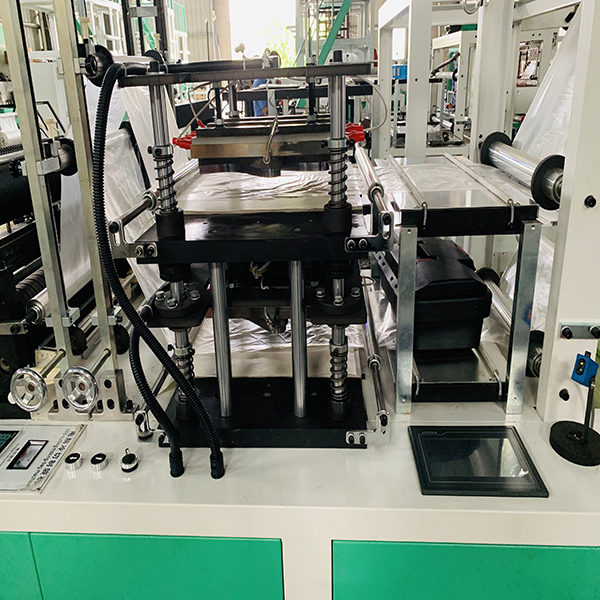
Each film need its unique locations. Without this step, you get bad seals and wasted film. Real production data shows that the correct machine-film combination improves output and lowers waste. Here are actual samples of what you will see on your factory floor.
Case Studies: Film Type vs Production Output
Key Takeaways From Case Studies
PE film delivers the quickest and the least waste
Nylon creates tougher gloves, but slows the machine
PP requires precise heat settings, but produces superior clear glove
Servo bag forming devices reduce film waste up to 15%
Tips for Switching Between Film Types on One Machine
Change film, reset seal temperature
Check roller tension - nylon requires higher tension than PE
50-100 test bags run before main production
Keep a track of settings for each kind of footage
use machinery from Ruian Yunfeng Machinery Co., Ltd. – all films supported
What Should You Look for in a High-Speed Bag Making Equipment Setup?
High speed bag producing equipment is good for more than simply running quickly. It should work nicely with any kind of film. It should change settings fast and detect mistakes before they waste film. The main characteristics to look for are:
Servo motor control ensures tension and timing exact for all films
Automatic temperature compensation - minimises seal faults on film switch
PLC Touch screen – Easy to use and monitor at any moment
Film edge detection - automatic roll alignment adjustment
Safety guards and emergency stop – essential for safe industrial usage
Energy-efficient heating - saves energy during lengthy manufacturing runs
Why Servo Technology Matters for Film Compatibility
Digital motors are used in a servo-controlled bag making machine. It does not using outdated mechanical cams. This is of great advantage:
Speed variations without halting the machine
Film tension is stable at all speeds
Less waste while starting up and changing film
Thinner/stretchier seals are better PE-films
Easy to improve the output without purchasing additional parts
FAQs About Glove Bag Making Machine Film Types
What is the most used film in a glove bag making machine?
The most popular is the PE film, mostly LDPE. It's inexpensive, simple to seal and runs quickly. It is the film most used by glove manufacturers by default. It is easily available globally.
In thickness ranges of 10-30 microns
Compatible with most typical sealing temperatures
Ideal for high-volume manufacturing of disposable gloves
Can one machine handle PE, PP, and nylon films?
Yes. All three may be operated on a contemporary automated glove bag making machine with servo control. You alter the tension and the heat and the pace for each film. Ruian Yunfeng Machinery Co., Ltd. produce rapid and easy swap between film machines.
Servo motors make fast and accurate adjustments
Each film type has its parameters stored in PLC panels
You don't need three separate computers
What thickness of PE film is best for glove bag production?
For light disposable gloves 12-20 microns. Use 25-35 microns for stronger gloves. A thicker coating slows the machine down a bit but creates a harder glove.
12–15 microns: ultra-thin, fastest speed
18-25 microns: typical disposable gloves
30+ microns: strong duty or semi-reusable gloves
Why does nylon film need a higher sealing temperature?
Nylon melts at a level greater than PE or PP. Sealing bars must reach 160–200°C to bind properly. Too low heat and seal may be fragile and open during usage. A servo-controlled bag forming machine ensures a uniform heat across the whole bar.
Low heat implies weak seals & glove failures
Too high = shrinkage or burnt film
Routine Calibration for Steady Nylon Sealing Outcomes
Is PP film food-safe for glove bag production?
Yes. The PP is food grade and certified safe for food contact. Used in supermarkets, bakeries, and foodservice. Use always food grade PP (certified). Switch to industrial film and clean the machine.
Look for FDA or EU food-contact labels on the reel of film
Using transparent PP gloves, users can see their hands
The stiff PP gloves are simple to put on and off
How do I reduce film waste on a plastic glove bag production machine?
Most waste is caused by improper tension, inappropriate heat, or a film roll that's out of alignment. Auto edge detection saves waste fast on a servo-controlled bag maker. Test bags should be run before full production and a journal of settings kept for each film.
Servo tension control prevents film stretching or bunching
Align rolls carefully before starting
Run a brief test batch each time you load a fresh roll
Conclusion
PE, PP and nylon all function in a glove bag making machine - but only if the machine is set up appropriately. A incorrect film match costs money, and damages gloves. Ruian Yunfeng Machinery Co., Ltd. produces automated glove bag making machines that can easily work with all three kinds of films.
Their machines are equipped with servo control, smart sealing and PLC displays for seamless manufacturing. Come to Ruian Yunfeng now to choose the ideal machine for you.

