How Does an Automatic Strapping Machine Reduce Downtime Sensors Alerts and Stock
August 23, 2026
Have you ever seen a production line halt because a strap roll ran out? I have been working in the packaging industry for over 7 years. I've seen this a lot. In this article, I will show you how an automatic strapping machine employs sensors, alarms, and stock tools to avoid downtime.
You will learn about major features, genuine instances, and typical questions. I will also explain why Ruian Yunfeng Machinery Co., Ltd. is a good option.
What Is an Automatic Strapping Machine, and Why Does It Matter?
An automatic strapping machine is used to wrap a strap around boxes or pallets. It operates on its own - no need for human aid. The strap is commonly constructed of PP/PET material. These machines are quick, dependable. They are utilized in food, logistics and e-commerce.
New versions have sophisticated sensors and servo motors. Proactive issue detection and shutdown prevention. The complete line operates smoothly using automatic vest bag making machine or high speed bag making machine.
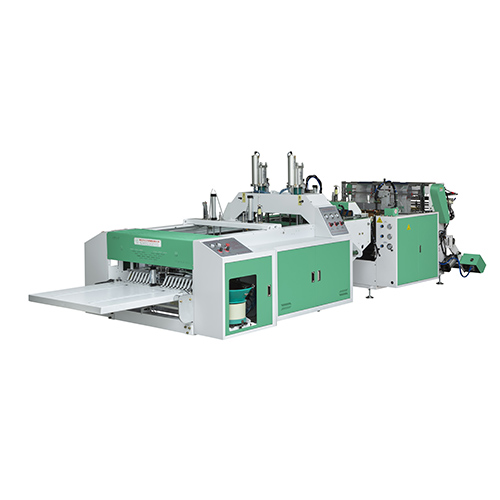
What Makes This Machine Smart?
Are Sensors Really the Secret Weapon Inside Your Strapping Machine?
Yes, and I'll tell you why. Modern Automatic Strapping Machine models have smart sensors. These sensors keep tabs on the whole procedure as it unfolds. The strap tension, jam detection, and seal quality are all monitored by these devices. As soon as an issue arises, the sensor notifies you.
It prevents a minor issue from escalating into a complete system failure. Until someone noticed, old machinery would just break down. Modern sensors respond quickly. They continue to be vigilant and active at all times.
Types of Sensors Used in Modern Strapping Machines
Each sensor handles a different task inside the machine:
Strap End Sensor – Detects the strap roll running out. Gives a warning before it is completely depleted.
Jam Detection Sensor – Detects obstructions in the feed stream. Prevents harm to the machine by stopping it safely.
Tension Sensor - Monitors strap pulling force. Be careful to strap down each item securely.
Seal Quality Sensor – Confirms that the heat seal has been appropriately established after each cycle.
location Sensor – Detects the location of the product inside the arch. Adjust the strap properly.
Sensor Types and Their Impact on Machine Uptime
How Sensors Reduce Manual Inspection Time
It is unnecessary for operators to periodically check the strap levels.
Instantaneous display of fault codes allows personnel to quickly resolve concerns.
The sensor logic for full-line synchronization is the same across all lines of servo motor bag making machines.
Preventative maintenance may be better planned with the use of sensor data.
Machine health may be monitored remotely by management using dashboards.
Can Smart Alerts Save Thousands of Dollars in Lost Production Time?
- Yes – they can. One unexpected stop may cost a lot of money per hour.” Smart automatic strapping machine will inform you as soon as there is an issue. These are not simply plain sounds. Alerts are sent to phones, HMI displays and dashboards.
Each alert has a defined degree. Yellow indicates low stock. Red indicates a jam or seal failure. The team receives the warning immediately. They sort it out quickly. The line will be back up in minutes, not hours.
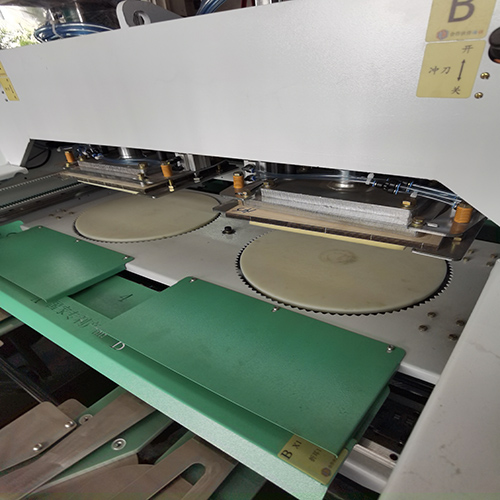
Alert Levels and What They Mean
Alert Level Comparison
Alert systems accelerate sluggish repairs to speedy remedies. They reduced fault response time from 15-30 minutes to less than 5 minutes. The Automatic Plastic Bag Making Machine and the Plastic Bag Sealing and Cutting Machine are two such machines that employ the same alert logic, so it's a simple leap to full-line integration.
Advantages and Disadvantages of Alert-Based Systems
Advantages:
Reduces unexpected downtime by up to 60%
Reduced need for manual checking
Assists to create a genuine data driven maintenance plan
Speeds up operator training with clear codes on screen
Disadvantages:
Smart machine types have a higher upfront cost
Too many low level alarms might lead to alert fatigue
Sensors require frequent calibration to maintain their accuracy
Stable Network Needed for IoT Alerts
Is Running Out of Strap Stock the Biggest Hidden Cost on Your Line?
It is a cause of downtime that is most often overlooked. Many manufacturers run out of straps during a shift. No one was monitoring stock in real-time. The difficulty is solved by a contemporary automatic strapping machine.
It measures the amount of strap in use. It also calculates the length of the roll. Suppliers are warned far in advance. They may change the roll when they break, not during a run. When connected to an inventory system, fresh strap orders may be automated.
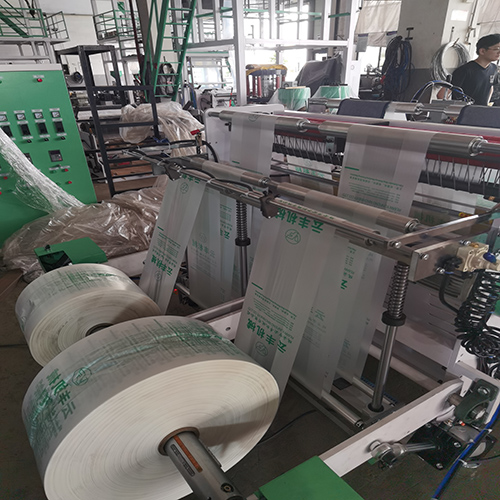
How Factories Cut Downtime With Smart Stock Management
Good inventory management is no longer optional. It is a necessary for big volume streams. Whether you have an HDPE LDPE Bag Making Machine or a Biodegradable Bag Making Machine, visibility strap keeps things going.
Steps to Set Up Smart Stock Management
Attach the unit to your central line monitoring system.
Generate low stock notifications from your shift use average
Use use data to determine weekly orders for straps
Train operators should respond to yellow alarms before they become red
Review stock data periodically and change ordering points as necessary
What Other Features Help Cut Downtime Even Further?
The latest Automatic Strapping Machine models go beyond sensors and alarms to provide other valuable functions.
Quick-Change Strap Roll System
Change a strap roll in about 60 seconds using new reel holders. No tools required. No line stop required.
Self-Diagnostic Mode
The machine does a brief self-check before every shift. It verifies sensors, examines the heat element and validates the strap feed. If anything is incorrect it points up the error before you start work.
Integration With Bag Making Lines
The Strapping Machine is often used along with the Automatic Bag Punching Machine and the High Speed Bag Making Machine in many industries. In a shared data network a slowing of one computer slows the others. The whole line is still in balance.
Predictive Maintenance Scheduling
The machine records motor run hours and cycle counts. It notifies you when servicing is needed on the sealing element or the feed rollers. This avoids wear related problems before they happen.
FAQs About Automatic Strapping Machines
How often should I service my Automatic Strapping Machine?
Most lines every 3 to 6 months. High volume lines may need monthly inspections. Keep track of trouble codes - it tells which sections require more care.
Every 30 days, check the sealing element
Clean the feed channel regularly (monthly) to avoid jams
Monthly check of the tension unit for proper calibration
Can sensors really reduce downtime by a measurable amount?
Okay. Smart sensors cut unexpected pauses by 40% to 70%. The trick is configuring your line speed and strap type to the correct alarm levels.
Start using the settings provided by the manufacturer
Adjust after 30 days of use
Monthly Review and Update
What strap types work best with an automatic strapping machine?
PP strap suitable for light/medium loads Heavy or sharp-edged loads are best with PET strap. Set the tension sensor for each kind accurately.
PP strap: low-medium tension setting
PET strap: increased seal temperature and tension
Use always the strap width your machine is rated for
Can I connect my strapping machine to a factory ERP system?
Yes. Most IoT-ready equipment output the data via OPC-UA or Modbus. That's comprehensive production monitoring, all in one dashboard.
Find an Ethernet or RS485 output port.
Coordinate with your IT staff to establish the link
Automate strap reorders in your ERP system using the data
How do I know when my strap seal is failing before it causes a recall?
The seal quality sensor inspects each seal in real time. A poor seal causes an alarm and the unit is flagged for re-check. The equipment also records seal quality data over time.
Minimum seal strength 90%
Review daily seal quality information from the machine log
When the failure rate exceeds 2% change the sealing part
Conclusion
A smart automatic strapping machine with sensors, alarms, and stock tools must be there in every industry. It finds issues early and keeps your line running.” The proper supplier means less downtime and increased production.
Ruian Yunfeng Machinery Co., Ltd. is a manufacturer of true industrial-use machines. They provide comprehensive support, smart features, and personalized installations. Go to their website now and have a machine tailored to your specs.

